Author: Methena / Pageviews:
Are you fed up with those "homemade" soft sweets that collapse and stick at room temperature, or whose taste is far less firm than that of the commercial product Q? Whether you are a dessert lover or a candy entrepreneur who is just starting, mastering the production technology of soft candy requires the integration of scientific proportion, meticulous patience and appropriate equipment selection.
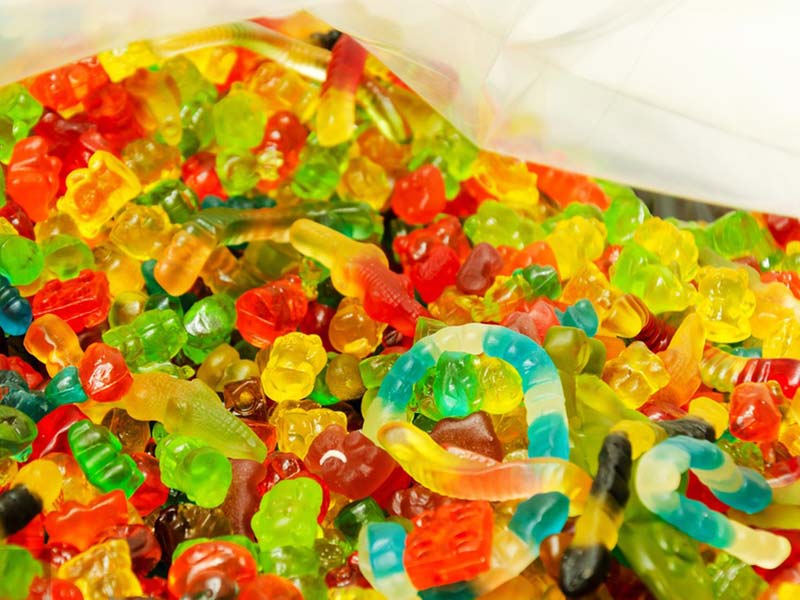
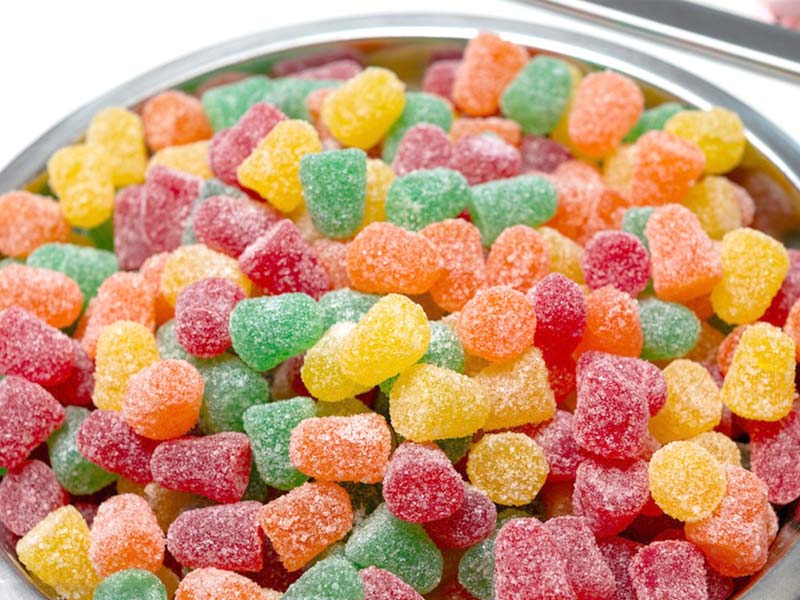
In this guide, we will analyze in detail how to make gummies with gelatin, how to transition from trial production in a family kitchen to professional production, and reveal why the gummy depositor machine is the "key weapon" to ensure stable and uniform product quality.
When you set out to make gummies, your choice of gelling agent defines the soul of the candy. While pectin is great for "soft" fruit jellies, gelatin is the king of the "chew."
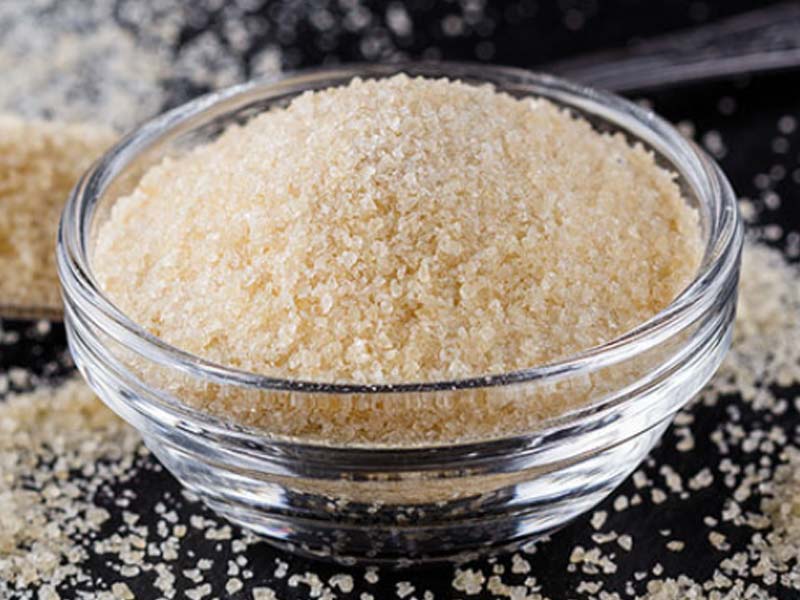
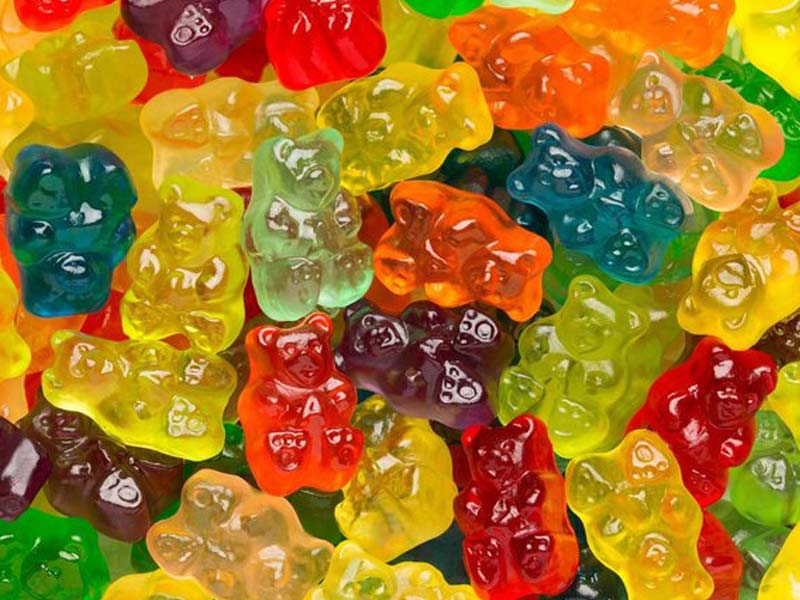
Gelatin is a protein derived from collagen. When heated and then cooled, it forms a thermo-reversible network, which is a fancy way of saying it melts in your mouth but stays firm on the shelf.
Before you scale up to industrial levels, you need a solid recipe. Here is a reliable base to get you started:
1/2 cup cold water or fruit juice (for soaking hair).
1/4 cup corn syrup or glucose syrup (to prevent crystallization and increase luster).
4 packets (about 28 grams) of odorless gelatin powder.
1 teaspoon citric acid (adds flavor and prolongs shelf life).
Food-grade flavors and pigments.
The Bloom: Sprinkle your gelatin over the cold liquid. Let it sit for 5-10 minutes. Do not skip this! If you don't bloom it properly, you'll end up with grainy lumps.
The Melt: Gently heat the mixture over a double boiler. Never boil gelatin—boiling breaks the protein chains, ruining the "set."
The Additives: Once clear, stir in your glucose and citric acid.
The Pour: Use a dropper to fill silicone molds.
Personal Insight: Many beginners forget the "curing" phase. Even after the gummies feel firm, let them sit out in a cool, low-humidity room for 24-48 hours. This allows moisture to evaporate, giving them that signature "tough" gummy bear texture.
If you are looking to turn your hobby into a business, you'll quickly realize that hand-pouring 500 gummies a day is a recipe for back pain and inconsistent weights. This is where the gummy making process shifts from "kitchen craft" to "confectionery engineering."
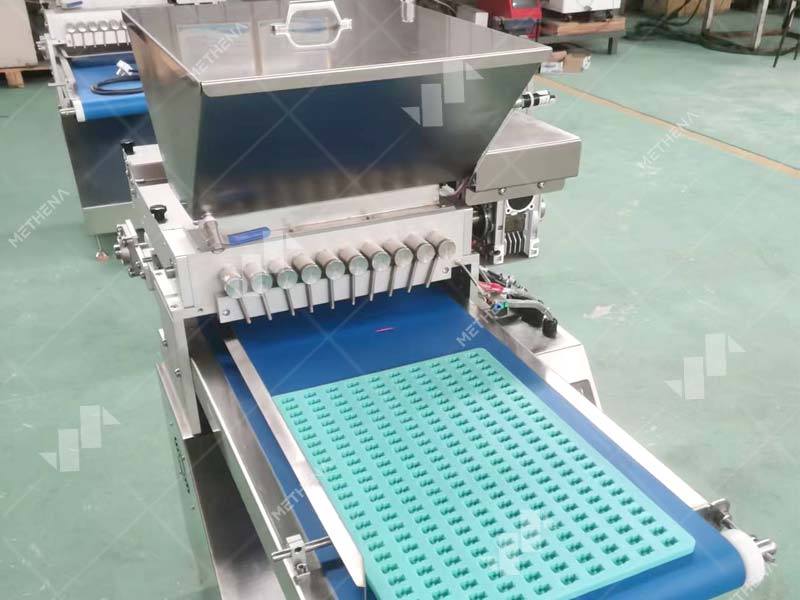
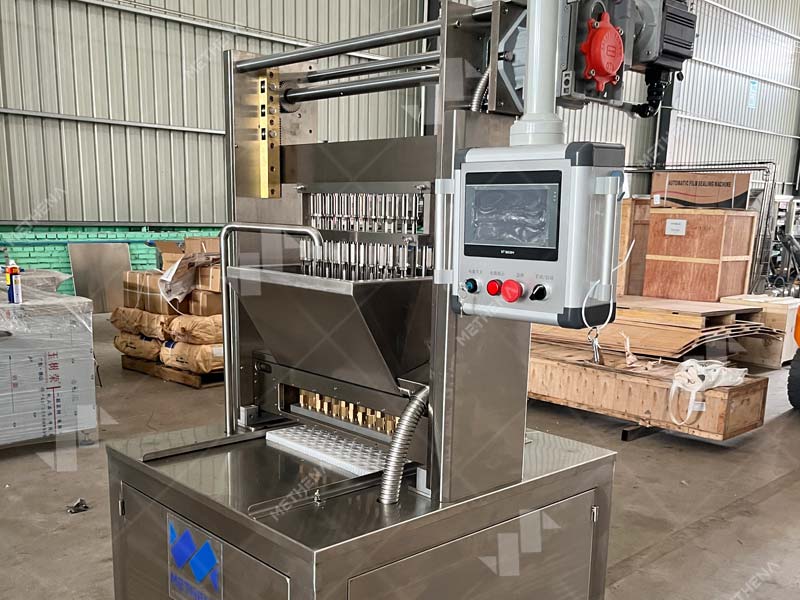
The gummy depositor machine aims to fundamentally solve the shortage of manual operation and become a key turning point in industry upgrading:
Accurate Quantification: A modern pouring machine is equipped with a PLC (programmable logic controller) system, which can control the filling error of each mold hole position within 0.01g.
Constant Temperature Control: Gelatin is very sensitive to temperature. If the syrup cools too fast in the hopper, it is easy to cause blockage. The pouring machine can maintain an accurate and constant temperature and ensure the continuous and stable flow of feed liquid.
Speed: While a person might fill one mold a minute, an entry-level machine can produce 5,000 to 20,000 gummies per hour.
On Reddit and Quora, a common question is: "Why does my fudge become oily or sticky the next day?"
Excessively High Air Humidity: Soft candy has moisture absorption characteristics and is easy to absorb water in the surrounding environment.
Incomplete Rehydration: if gelatin does not fully absorb water and swell before making, the water-holding capacity of the finished product will decrease.
Lack of “oil Coating” Process: Professional soft candy production process includes a "polishing" stage, that is, a thin layer of carnauba wax or MCT oil is coated on the surface of soft candy to prevent them from sticking in the packaging bag.
If you've mastered how to make gummies with gelatin at home and are seeing a surge in demand, it might be time to look at professional equipment.
Tel:+86 19013926248
Email:sales@methenamachinery.com
Whatsapp:+86 19013926248
Website:https://methenamachinery.com