Author: Methena / Release Time: 2026-01-27 / Pageviews:
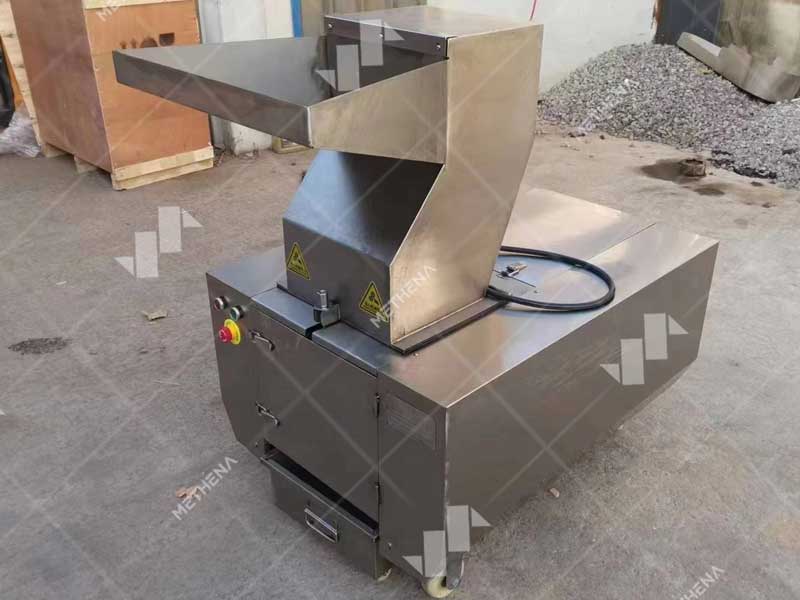
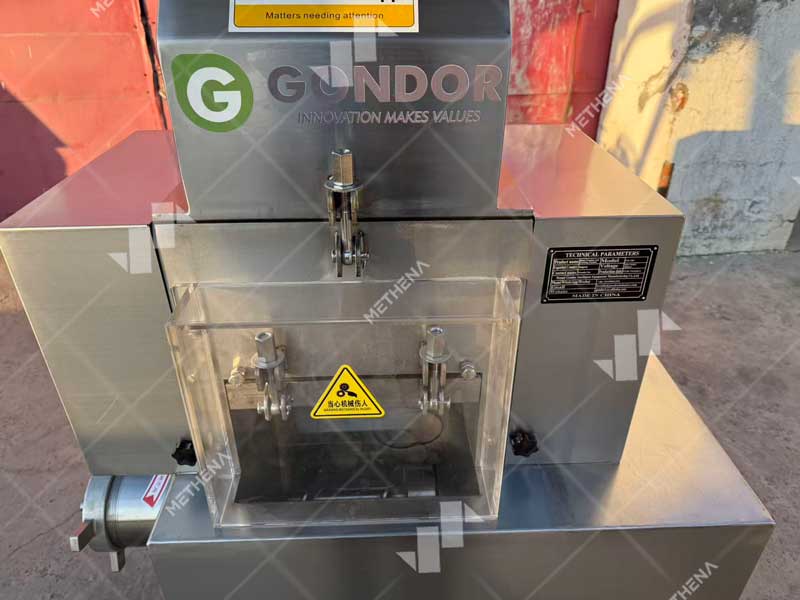
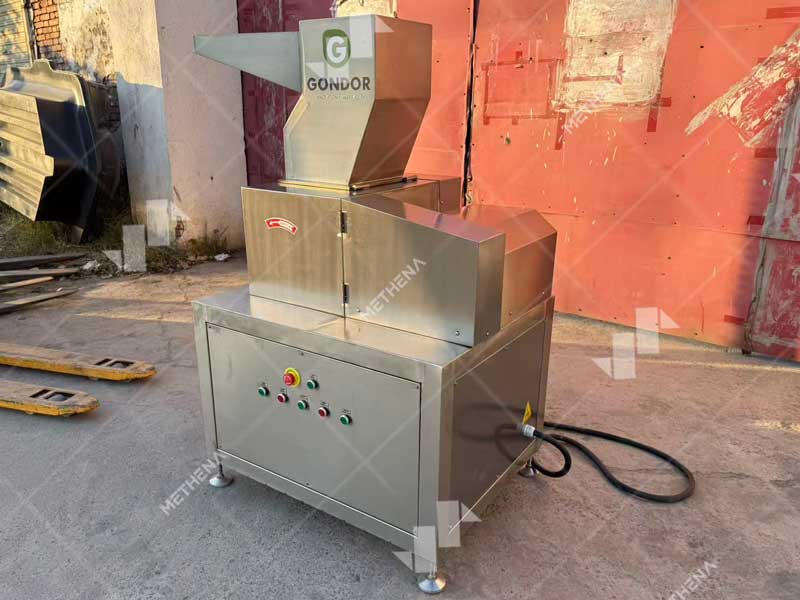
The bone crusher machine is a heavy-duty bone crushing machine designed for efficient processing of animal bones and other hard materials in food and industrial applications. As an animal bone crusher machine, it integrates high-speed rotating shafts, wear-resistant alloy steel blades, and an adjustable screen system to deliver stable, controllable crushing performance.
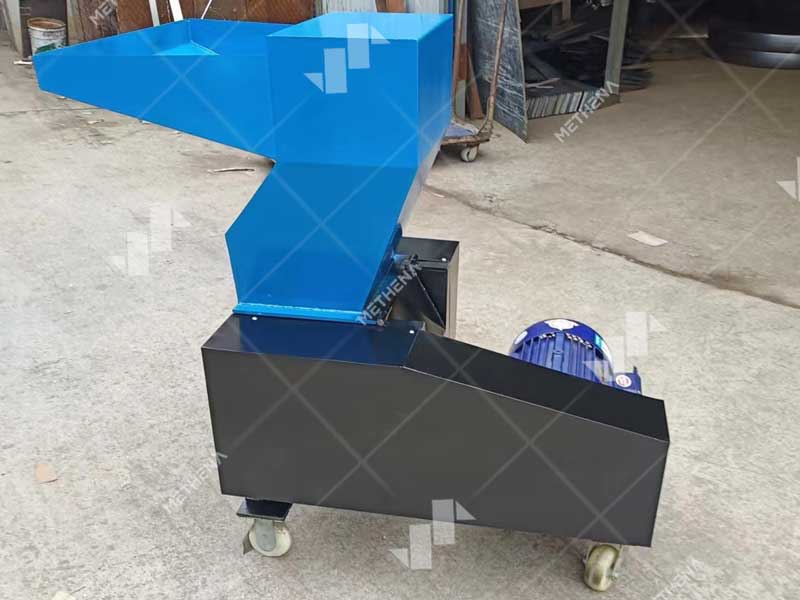
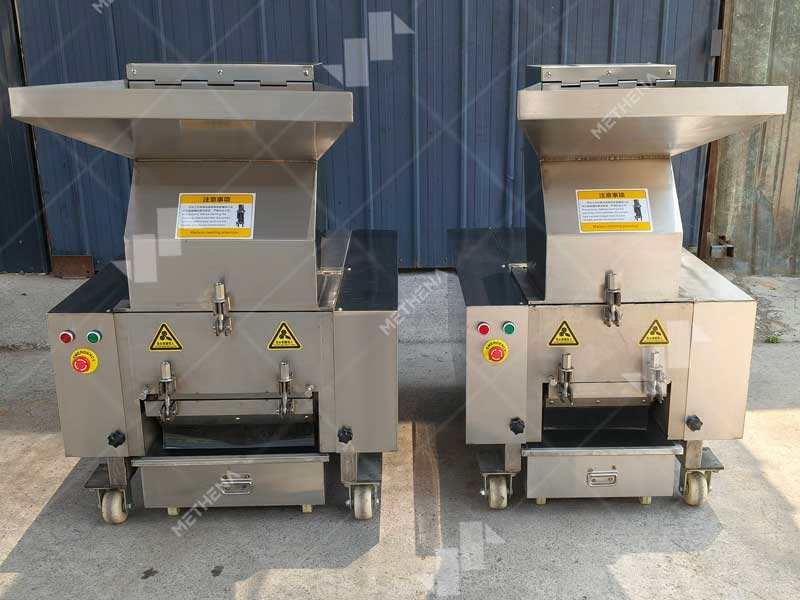
This automatic bone crusher machine is widely used in meat processing plants, pet food factories, and food ingredient preparation lines, offering reliable operation for both batch and continuous production. Available as a bone crusher machine for sale in multiple models and capacities, it supports flexible customization in voltage, screen size, and automation options to meet diverse production requirements.
The bone crusher machine operates through a combination of high-speed rotating shafts, multiple alloy steel blades, and a screen system to efficiently crush animal bones and other hard materials. During operation, raw materials are fed into the crushing chamber through the large-diameter feeding inlet. Driven by a copper-core motor, the main shaft rotates at high speed, and multiple sets of blades continuously cut, shear, impact, and tear the materials.
As the bones are repeatedly crushed by the blades, the material particles gradually become smaller. Under the combined action of gravity and centrifugal force, particles move downward. Once the particle size is smaller than the screen aperture, the material passes through the screen and is discharged from the outlet. Larger particles remain in the chamber for further crushing until they meet the required size.
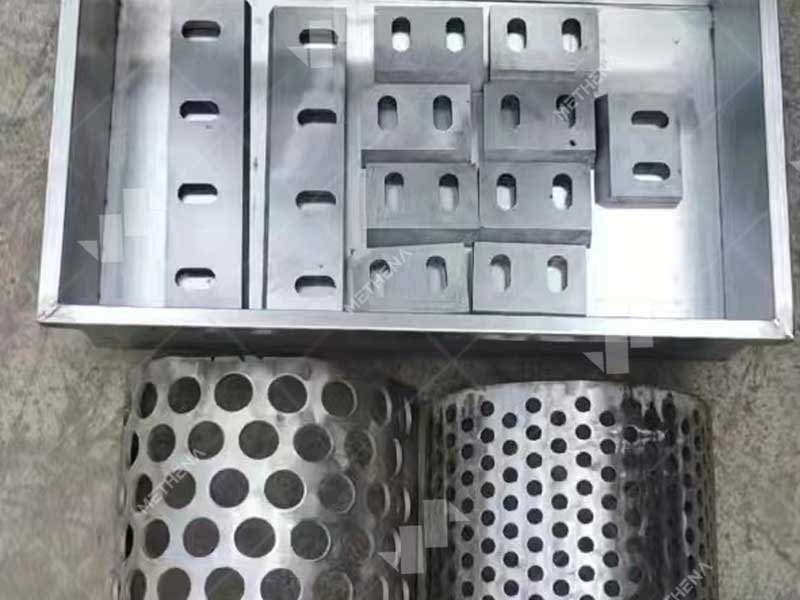
By changing the screen mesh size, the final discharge particle size can be precisely controlled within a range of 5–100 mm. The machine is constructed with 304 stainless steel, ensuring stable performance, durability, and easy cleaning, making it suitable for continuous industrial operation.
Customized according to your local standard. Common options include 220V or 380V, 50/60Hz, and single-phase or three-phase power supply. Please tell us your required voltage, frequency, and phase, and we will match the correct motor and electrical configuration.
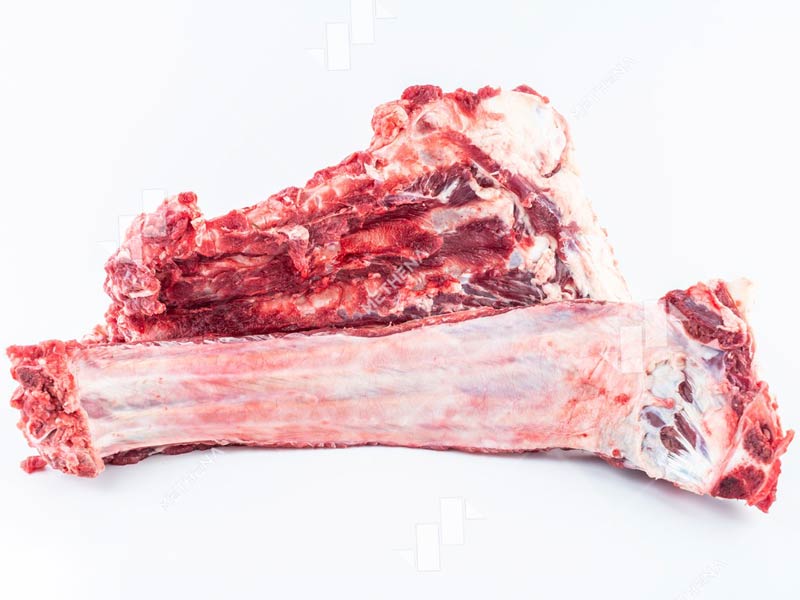
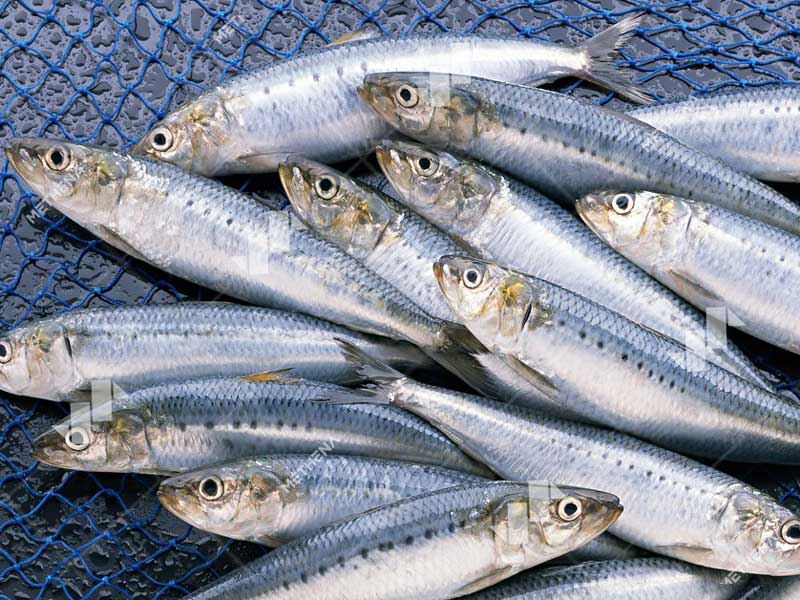
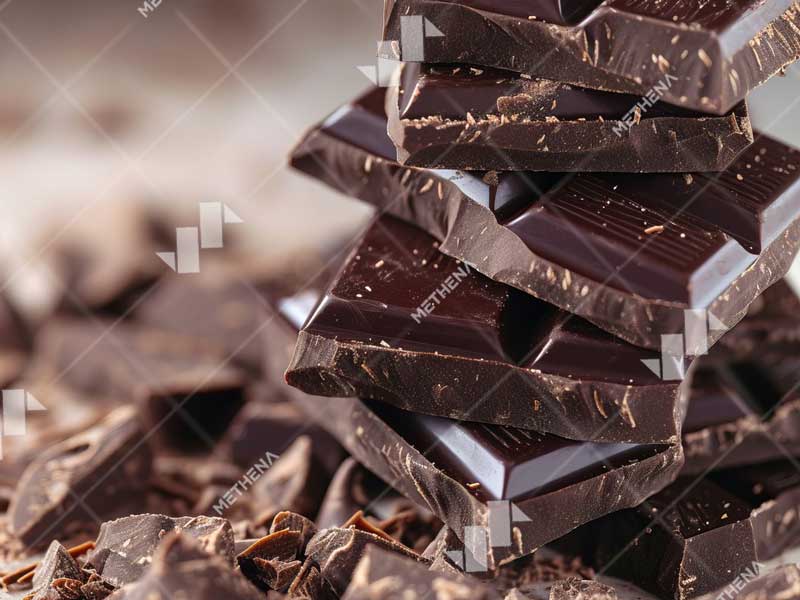
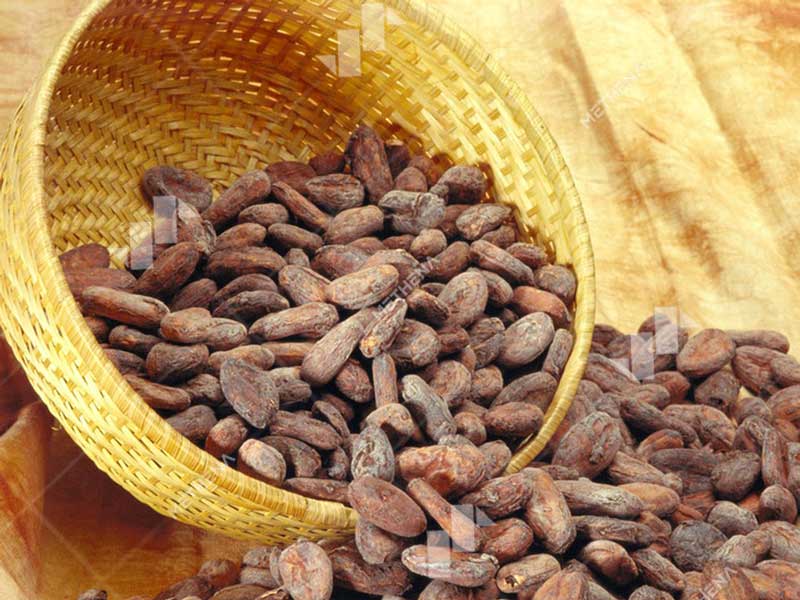
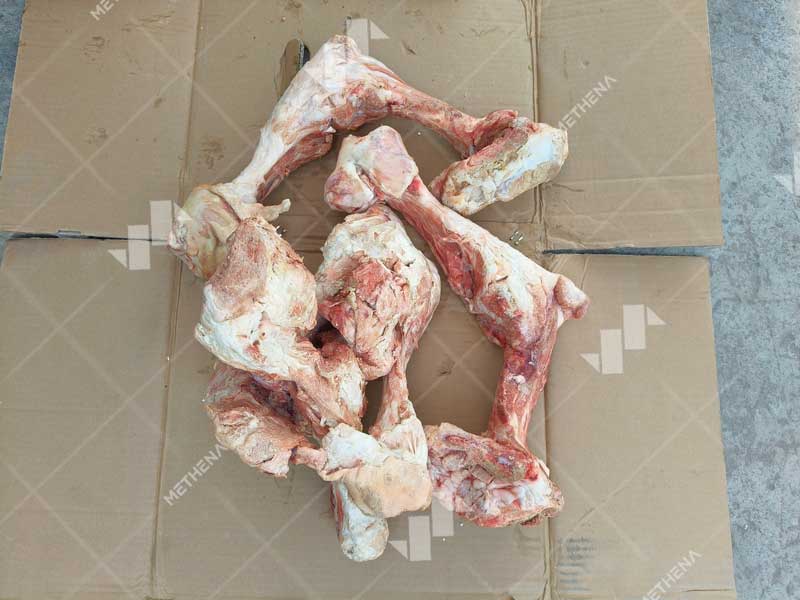
A bone crusher machine can process a wide range of hard and semi-hard materials, including beef bones, pork bones, sheep bones, and fishs. In addition, it can also be used to crush cocoa beans, chocolates, coffee beans, dried spices (such as star anise), pet food raw materials, sausages, luncheon meat, and certain frozen foods. This makes the machine suitable for meat processing, pet food production, food ingredient preparation, and multi-material industrial applications.
Yes, screen hole size directly affects both particle size and throughput. Smaller screen holes produce finer particles but reduce throughput due to longer crushing time, while larger screen holes result in coarser output with higher processing capacity.
To clean and maintain a bone crusher machine when processing oily or sticky materials, always stop and disconnect the power before cleaning. Disassemble the feed hopper, blades, and screen to remove residues promptly, preventing buildup and clogging. Clean contact parts with warm water or food-grade detergent, then dry them thoroughly.
Avoid water on the motor and electrical components, and wipe these areas with a dry or slightly damp cloth only. Regularly inspect blades and screens for wear and replace them when necessary. Cleaning the machine immediately after use helps maintain crushing efficiency and extends service life.
Blades and screens should be inspected regularly and replaced based on usage intensity and the hardness of processed materials. Under normal operation, blades and screens are typically replaced every 6–12 months, while heavy-duty or continuous use may require more frequent replacement.
Signs of wear include reduced crushing efficiency, uneven or oversized output particles, increased vibration or noise, higher power consumption, and visible damage such as dull edges, cracks, or enlarged screen holes. Timely replacement helps maintain stable performance and protects the motor and transmission system.
Capacity (Yield): Higher throughput models (e.g., 800–4000 kg/h) usually cost more than smaller models (20–600 kg/h).
Power & Motor: Machines with higher motor power (e.g., 30–45 kw) and industrial-grade copper-core motors tend to be priced higher.
Materials & Build Quality: Full 304 stainless steel construction, food-grade components, and wear-resistant alloy blades increase cost but improve durability.
Customization Options: Customized screen mesh sizes, voltage/phase configurations (e.g., 220v/380v, 50/60hz), and special features add to the price.
Automation & Accessories: Adding conveyor integration (auto feeding/discharging), safety guards, or control systems increases the overall investment.
As a professional manufacturer of bone crushing equipment, Methena Machinery is committed to providing high-performance, durable, and reliable bone crusher machines for different production needs. Whether you are looking for a compact model or a high-capacity industrial solution, we can offer the right configuration for your application. Contact Methena Machinery today to receive a free technical consultation and a detailed quotation, and let our experienced team help you choose the most suitable bone crusher for your business.