Author: Methena / Release Time: 2026-04-16 / Pageviews:
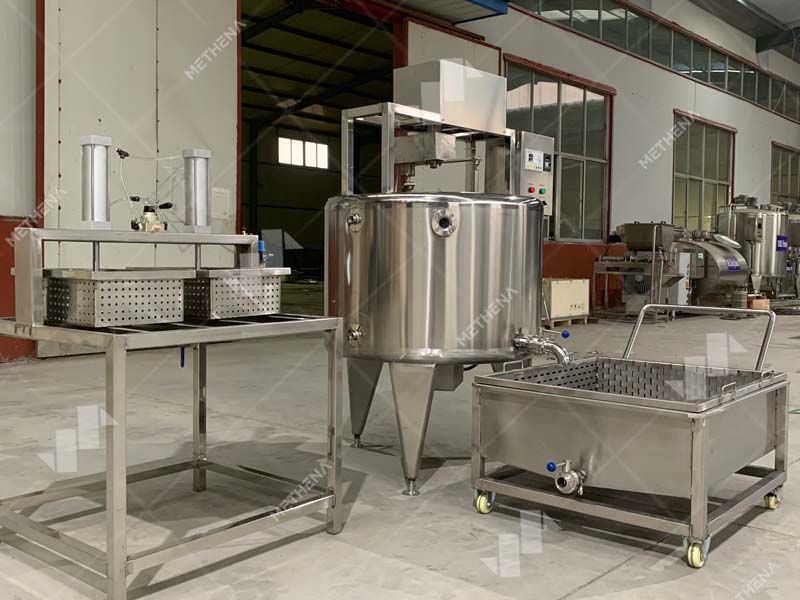
Whether you are an artisanal enthusiast or a commercial producer, finding the right machine to make cheese is the first step toward crafting high-quality dairy products. Investing in a versatile cheese making machine allows for precise control over the coagulation and fermentation stages, ensuring professional results with every batch.
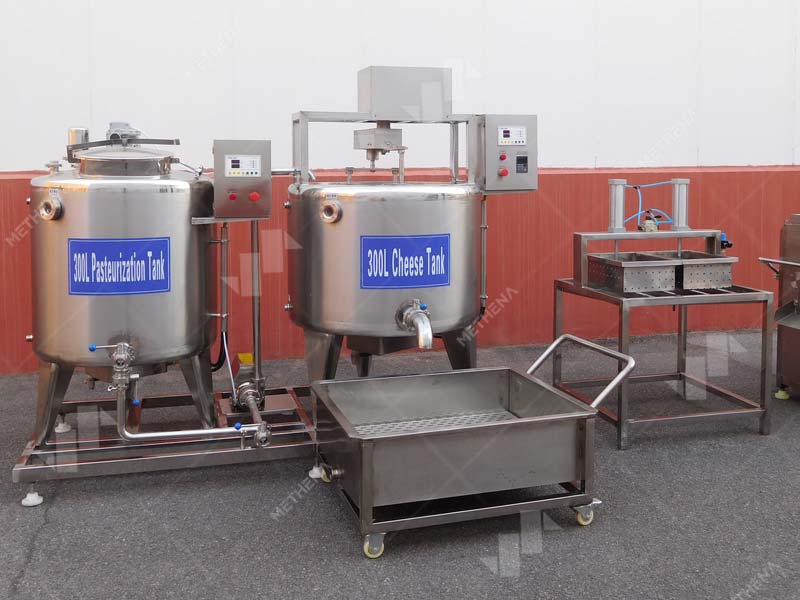
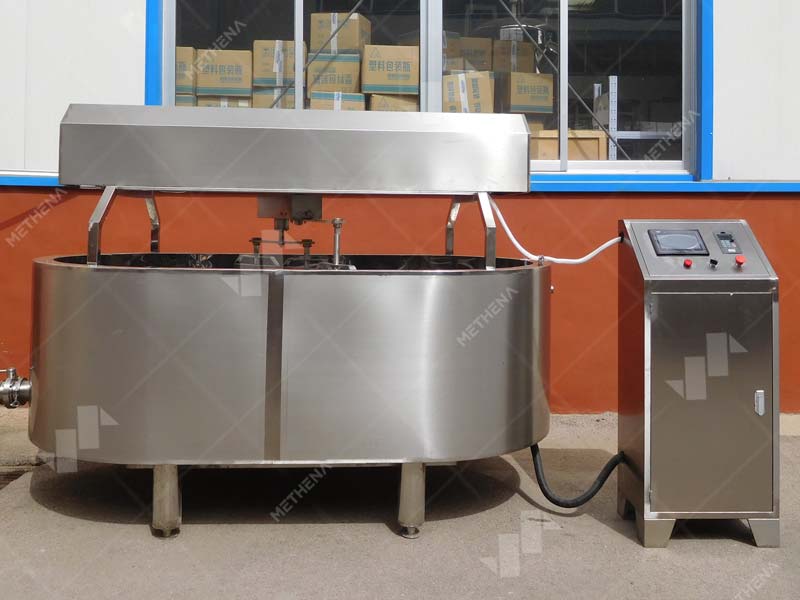
As you explore the various options and the cheese maker machine price, it is important to understand how these systems handle different textures and styles. We currently have a high-performance cheese making machine for sale designed to simplify complex processes, from milk treatment to final curdling. The following guide provides a comprehensive overview of how to utilize this equipment effectively to master the art of cheese production.
The cheese making machine for sale excel at handling delicate curds that require gentle mixing and precise temperature control.
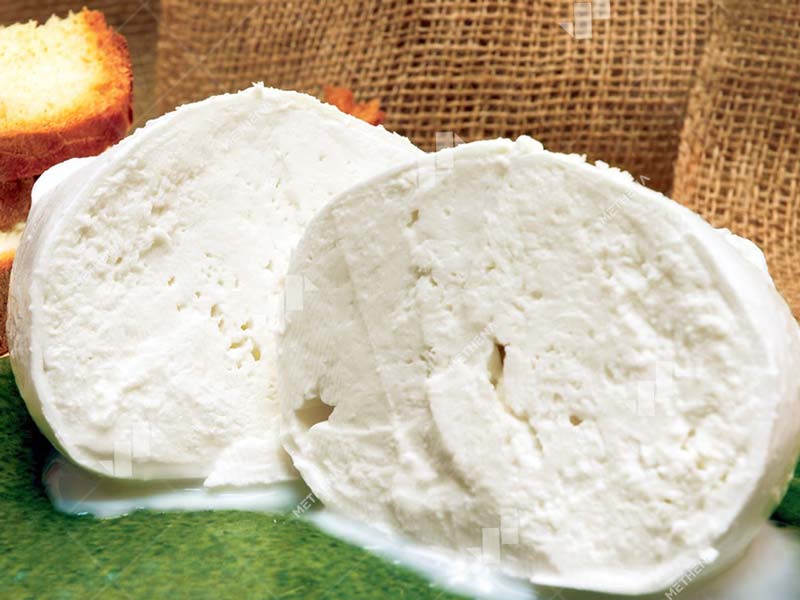
◍ Mozzarella: The machine manages the precise heating and stretching process (often referred to as "brushing" or kneading) to create its signature elastic texture.
◍ Cream Cheese: Utilizing fine filtration and consistent blending, the equipment produces a smooth, spreadable consistency.
◍ Farmer’s Cheese: By controlling the natural drainage of whey, the machine creates a mild, crumbly fresh curd ideal for cooking.
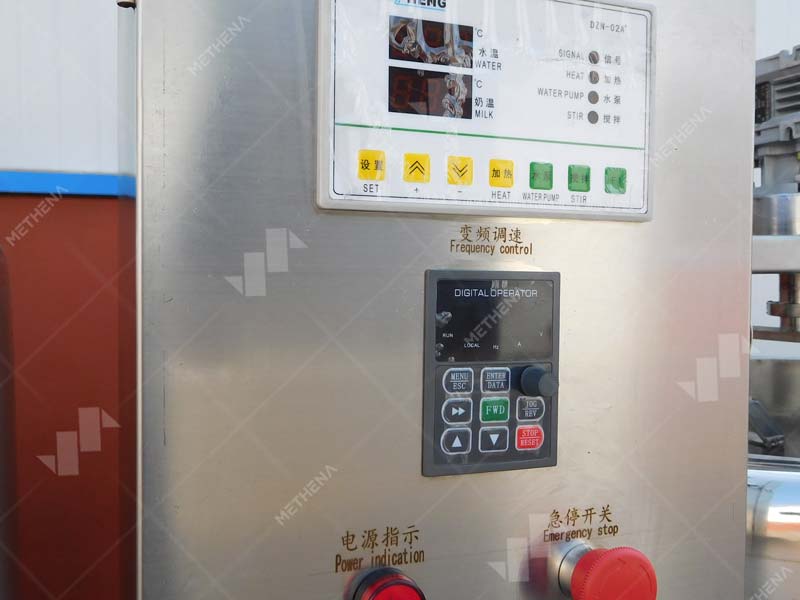
Beyond standard cheese, the fermentation capabilities of the control box allow for the production of thick, cultured items.
◍ Greek Yogurt: The machine facilitates the long incubation periods needed for bacterial cultures to thrive, followed by efficient whey separation for a thick result.
◍ Ricotta and Whey Cheeses: These machines can repurpose leftover whey, heating it to high temperatures to reclaim proteins and create light, fluffy textures.
With adjustable frequency mixing and cutting, the equipment can prepare the "base" for cheeses that require more structure.
◍ Semi-Hard Cheeses (e.g., Gouda or Havarti): The machine precisely cuts the curd into specific sizes to ensure the correct moisture retention before the cheese is pressed and aged.
◍ Washed-Rind Cheeses: The automated system can manage the specific washing and heating cycles required to develop the distinct rinds of these specialty varieties.
The flexibility of modern programming allows for the creation of niche dairy products.
◍ Goat Cheese (Chèvre): The system can be calibrated for the specific coagulation speeds of goat's milk, which differs from bovine milk.
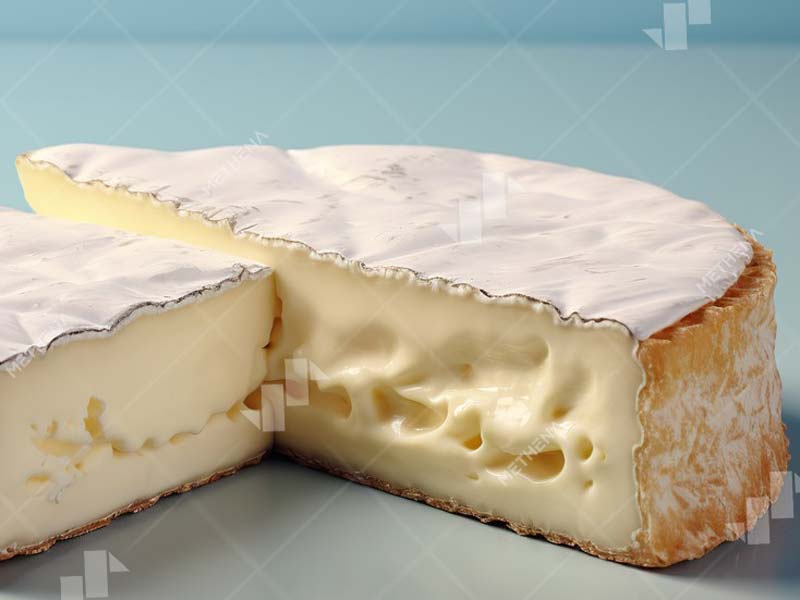
◍ Soft-Ripened Cheeses: The machine provides the perfect pre-treatment environment for adding white molds (like Penicillium camemberti) used in Brie or Camembert styles.
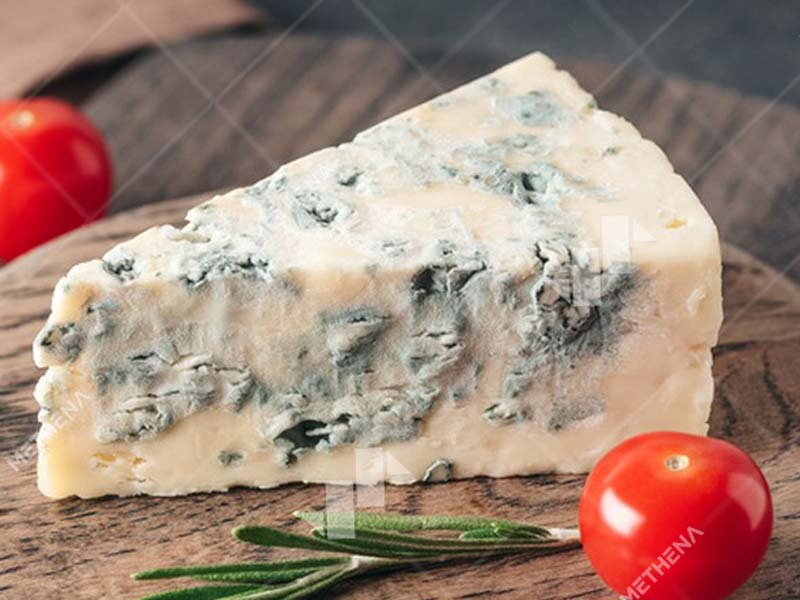
Milk is the soul of cheese; it is recommended to use pasteurized milk and strictly avoid Ultra-High Temperature (UHT) milk, as the intense heat alters protein structures and prevents proper coagulation.
Specific strains (such as lactic acid bacteria or specialized starters) are added to convert lactose into lactic acid, providing the cheese with its unique flavor profile and aiding the curdling process.
Rennet acts as the essential catalyst that transforms liquid milk into a solid gel (coagulum), which is the most critical step in defining the cheese's texture.
This is an optional additive used to restore calcium lost during milk processing; it significantly increases the success rate when working with low-fat or chilled milk.
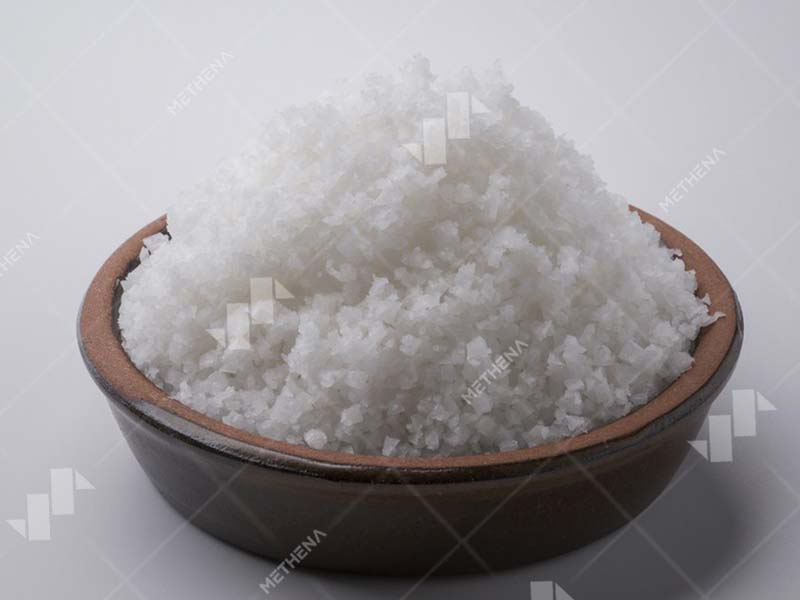
To create diverse and personalized flavor profiles, optional ingredients such as vanilla, garlic powder, black pepper, or sea salt can be added during the final stages.
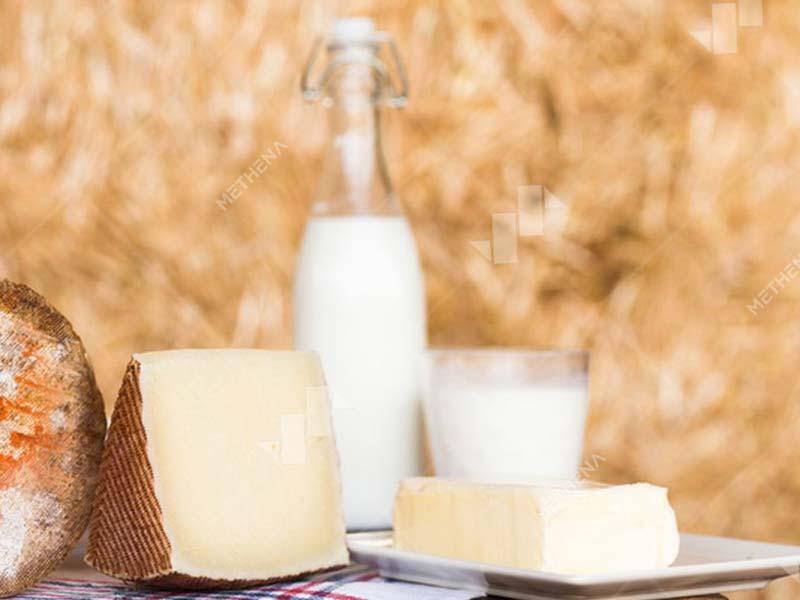
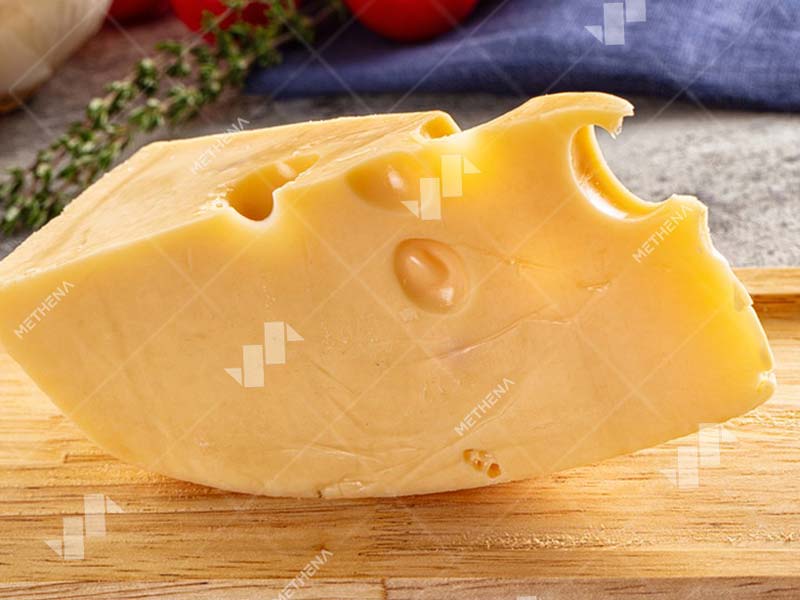
The duration of the cheese-making process varies significantly depending on the desired texture and the biological activity required. On average, the journey from liquid milk to a finished product takes anywhere from 4 to 12 hours, dictated largely by the specific coagulation and fermentation needs of each variety.
For quicker, fresh varieties like Mozzarella, the process is relatively fast, typically taking about 4 to 5 hours. This window includes the initial heating of the milk, the addition of enzymes for curdling, and the critical "stretching" phase that gives the cheese its characteristic elasticity. In contrast, Cream Cheese requires a much slower pace, often taking 8 to 12 hours to allow for a gentle, extended fermentation period that develops its signature tangy flavor and spreadable consistency.
Specialty cultured products follow their own precise timelines to achieve the right density. Greek Yogurt, for instance, generally requires an 8-hour incubation period for the bacterial cultures to set the milk, followed by at least 1 hour of concentrated filtration to strain the whey and reach its iconic thick, creamy state.
If your brushed mozzarella lacks that signature elastic "snap" and stretch, it is usually down to the fat content or the thermal processing during the final stages. Here are three key adjustments to improve the toughness and stretchability:
The foundation of a tough, stretchy curd is the quality of the raw material. You should use fresh milk with a fat content of at least 3.5%. High fat levels provide the necessary structural integrity and richness; if the milk is too lean, the resulting cheese will be brittle rather than elastic.
The "stretch" occurs when the proteins are heated enough to become pliable but not so hot that they break down. When you begin the stretching phase, ensure the water temperature is maintained strictly between 75–80°C. This specific range allows the casein fibers to align and elongate without losing their structural bond.
Toughness is developed through physical manipulation. Ensure your kneading time lasts longer than 5 minutes. Just like developing gluten in bread dough, extended kneading and folding of the warm curd strengthens the protein network, resulting in a significantly more resilient and "bouncy" mozzarella.
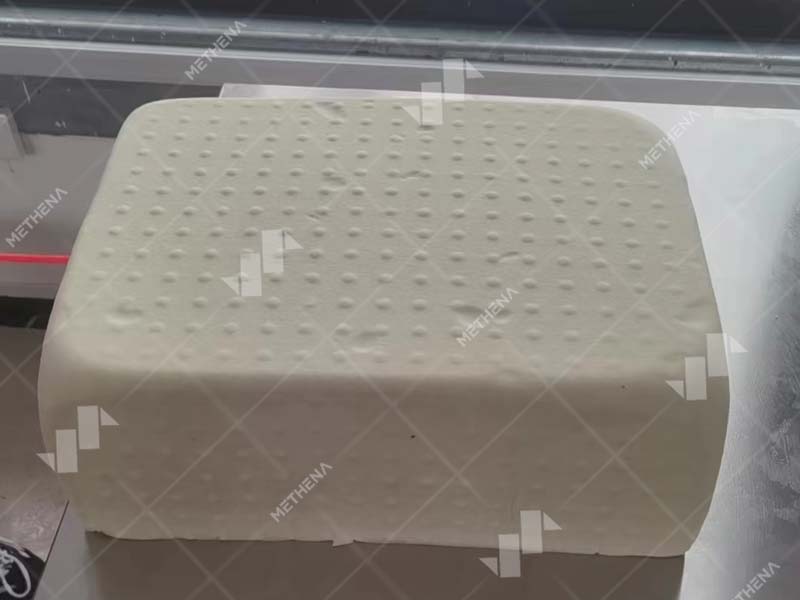
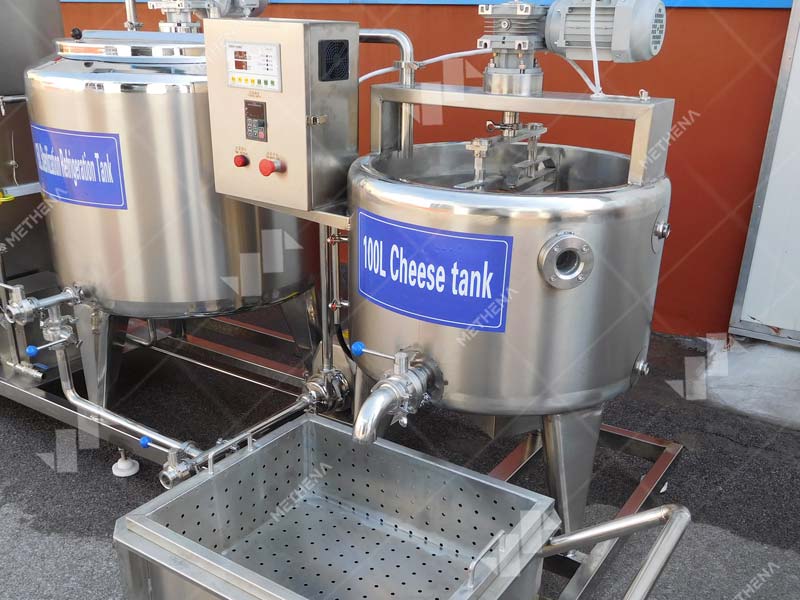
Cleaning the inner liner of the machine is straightforward and requires no vigorous scrubbing to eliminate stubborn milk residue.
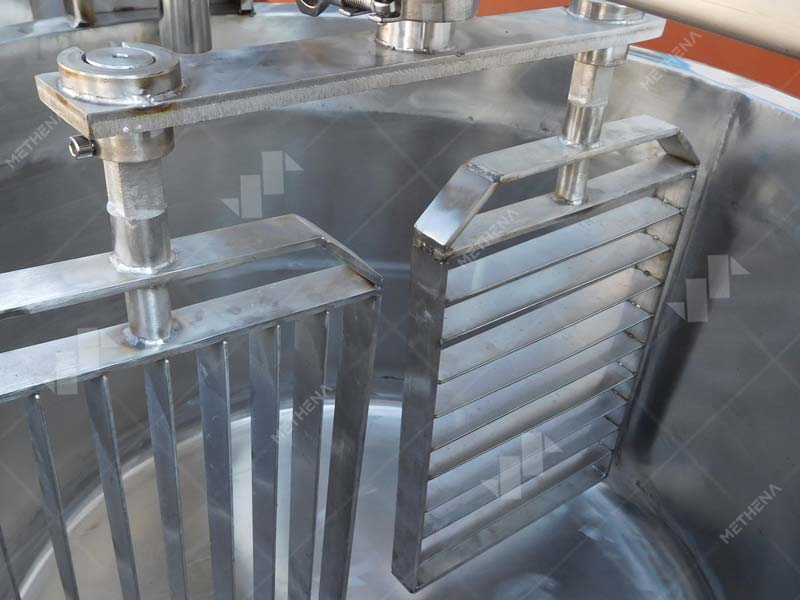
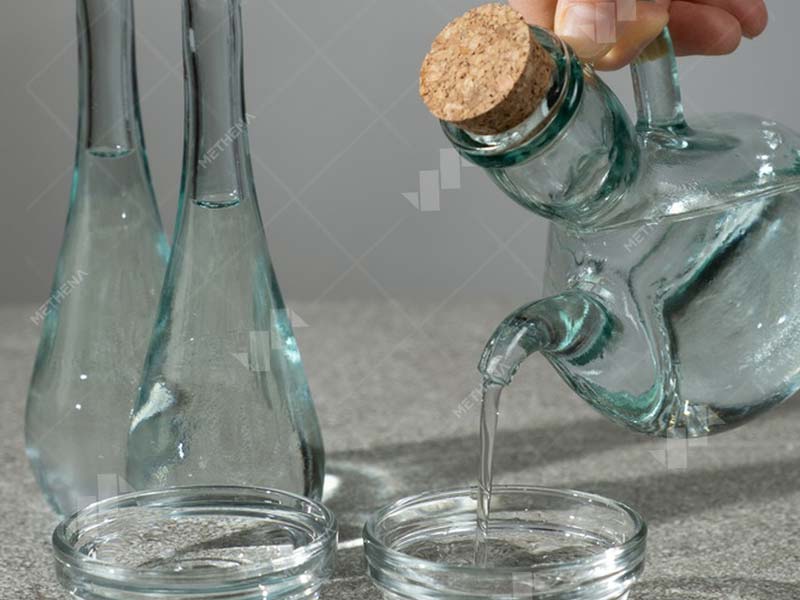
Instructions: Fill the inner container with a mixture of white vinegar and water at a ratio of 1:2. Then, simply run the device on "Yogurt Mode" for 1 hour. The gentle heat from this setting allows the acidic solution to effectively break down milk proteins and mineral buildup, causing the softened residue to lift off automatically. Once the cycle finishes, a quick rinse with clean water will leave the liner spotless.
Whether you are an artisanal workshop pursuing the ultimate flavor or a food processor seeking high-efficiency output, a high-performance device is the core of ensuring quality. We are committed to providing you with professional and intelligent dairy processing solutions, transforming complex techniques into simple, standardized operational procedures.
If you would like to learn more about equipment details, obtain a customized quote, or seek more specific production advice, please feel free to contact our professional team. Methena will provide you with comprehensive support, from equipment selection to technical guidance, helping you embark on a professional journey in high-quality cheese making.